Microgrid System Case
Maximizing PV Self-Consumption and Stabilizing Irregular Grid Power for a Myanmar Factory
FFD POWER Microgrid System Case
Project Overview
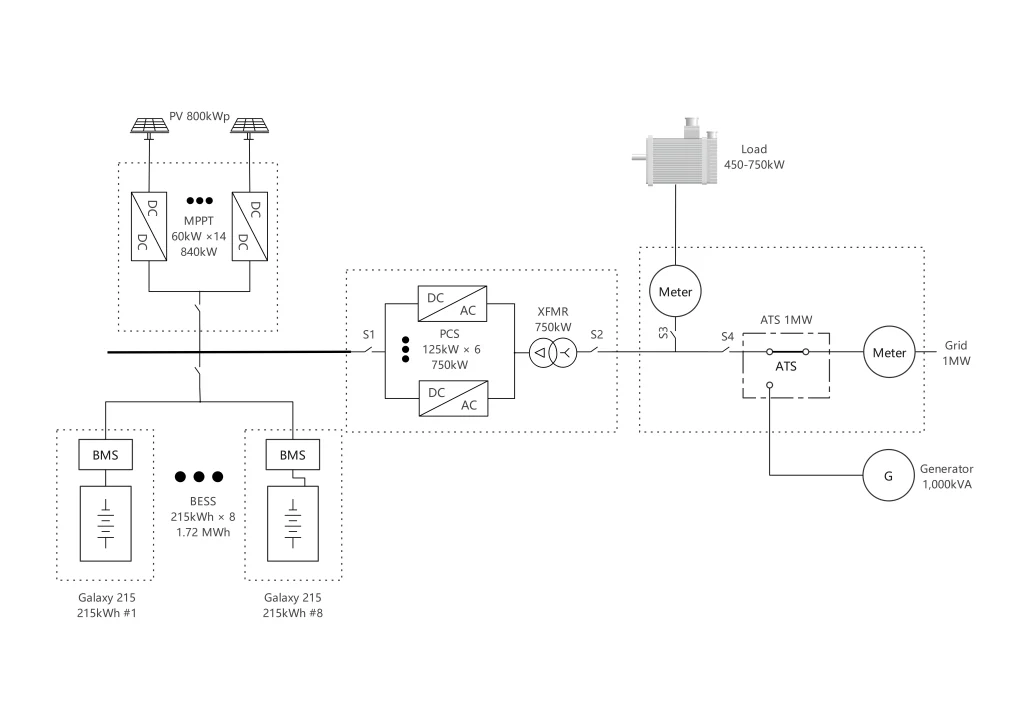
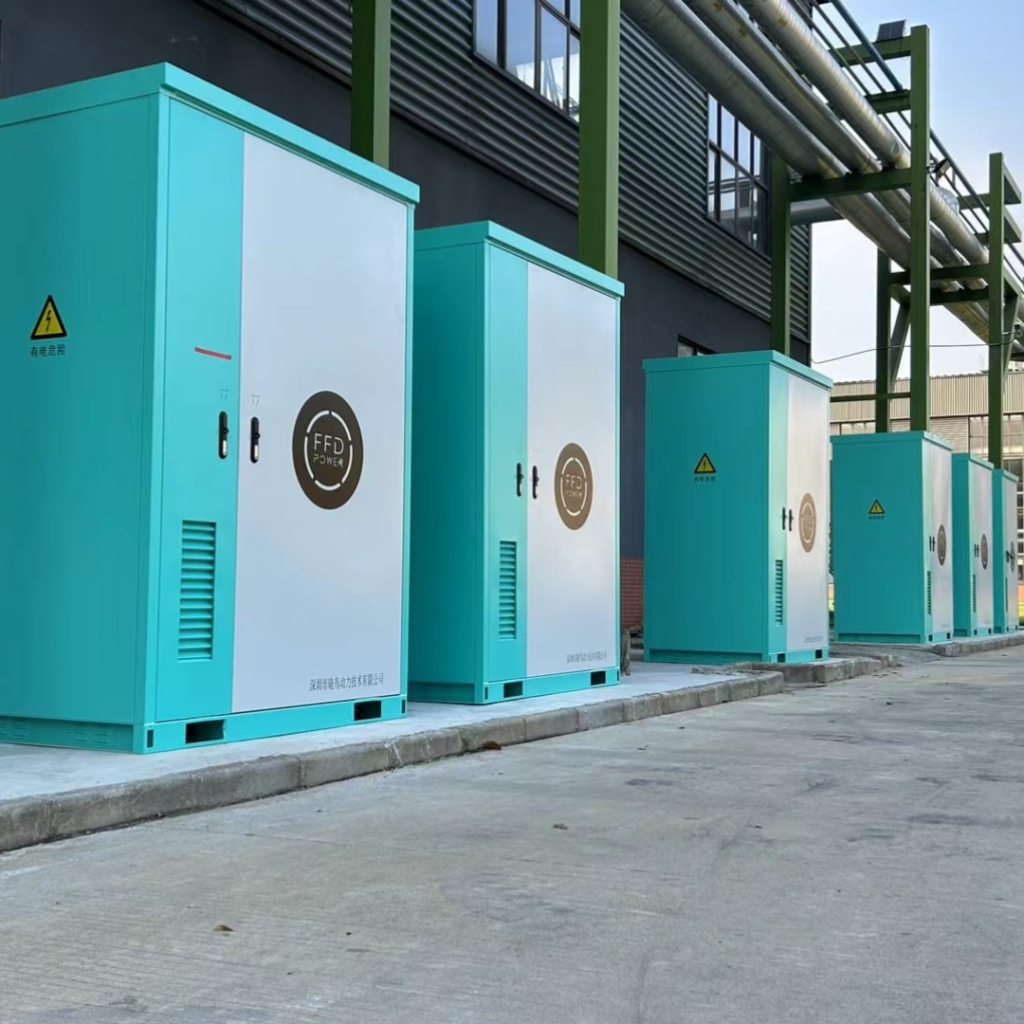
750 kW / 1.72 MWh BESS Integrated with 800 kWp Photovoltaic System for On/Off-Grid Use with Limited Daily Grid Access, Sagaing, Myanmar.
Case Analysis
The factory is situated in an area with an insufficient power grid, which is a common issue in many parts of the world. The system needs to operate primarily off-grid but should have the capability to connect to the grid during the few sporadic hours when power becomes available. With predominantly inductive loads amounting to 450kW and a daily operational requirement of approximately 10 hours, the factory seeks a comprehensive energy solution to ensure a stable and reliable power supply.
FFD POWER Solution
To ensure a reliable power supply, an 800kWp solar PV system will be installed, capable of providing up to 7 hours of energy per day (Global Solar Atlas). This will be complemented by a 1720kWh energy storage system paired with a 750kW PCS (power conversion system), ensuring seamless operation during peak demand and storing grid power within 3 hours. The battery energy storage system (BESS) will primarily charge from the irregular 3 hours of grid power and supply the additional 3 hours of power needed, allowing the factory to maintain continuous operations for 10 hours daily. During the rainy season, a diesel generator will act as a backup, covering a daily power gap of approximately 1.2 hours.
Given the factory’s high proportion of inductive loads, isolation transformers will be integrated to protect the system by mitigating electrical interference and harmonics, ensuring smooth and stable operation. Additionally, a robust energy management system (EMS) will actively monitor and control power distribution, optimizing load management to enhance overall performance and ensure long-term stability for the entire microgrid.
This solution maximizes PV energy utilization while transforming the irregular grid power into a stable and reliable energy supply for the factory. By efficiently managing energy sources, the system enhances operational resilience and optimizes cost-effectiveness, making it a sustainable and robust solution for long-term energy needs.